
Content Marketing: Your Lead Generation Engine
In the digital age we live in today, the commonplace “e” in e-commerce has now turned into the ubiquitous “e” – everywhere. With the proliferation of digital channels, consumers are now seasoned omni-browsers, religiously combing through numerous product-related touch points (think blogs, review sites, social media, forums) before making that purchase – digitally or in-store.
What does this mean for businesses today?

With more digital touch points, consumers are greatly empowered to make more informed purchase decisions. As potential customers are very likely to do a fair bit of product and brand research before they commit to the purchase, this means that a whole lot of content are being consumed by the average customer today and businesses.
Where do they find their information from?
What kind of information are they reading?
They are very likely to do a brand audit on your business (ie can I trust whatever you’re saying?), seek objective product review sites (ie can your product or service deliver what it claims to do?) etc. Businesses whose content can be found in their target audiences’ native channels are poised to convert these questions into potential revenue opportunities.
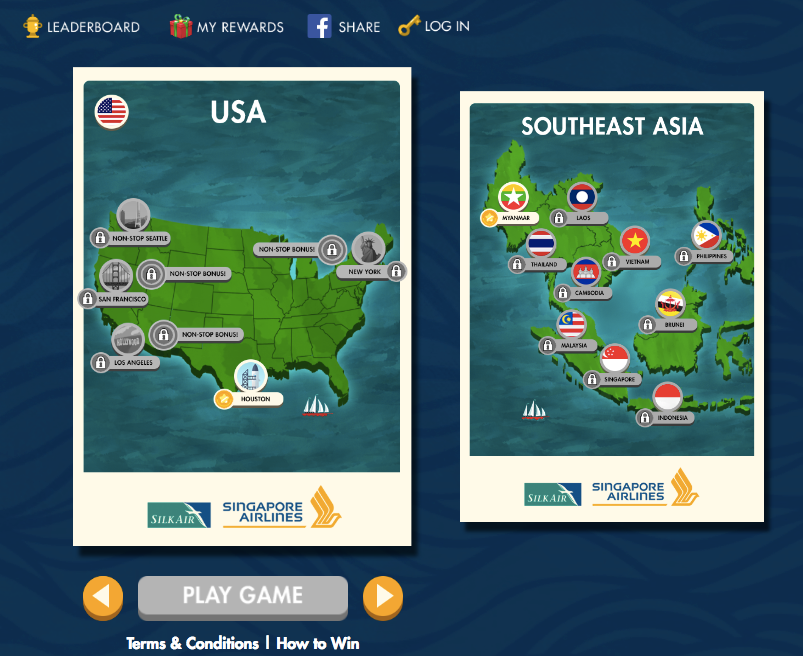
Below: Singapore Airlines rolled out polished, interactive games as part of their content marketing strategy to engage customers
Content Marketing Defined
Simply put, content marketing is a form of pull marketing strategy (or Inbound Marketing) that is focused on driving sales through the production and distribution of content that are of value to a clearly defined audience.
That said, while the ultimate goal of any marketing activity would be to increase the bottom line, in practice, it takes a rigorous and systematic approach to sell a product successfully by moving the prospective customer pool through different stages in the sales funnel.
More marketing touch points = more channels for brand persuasion!
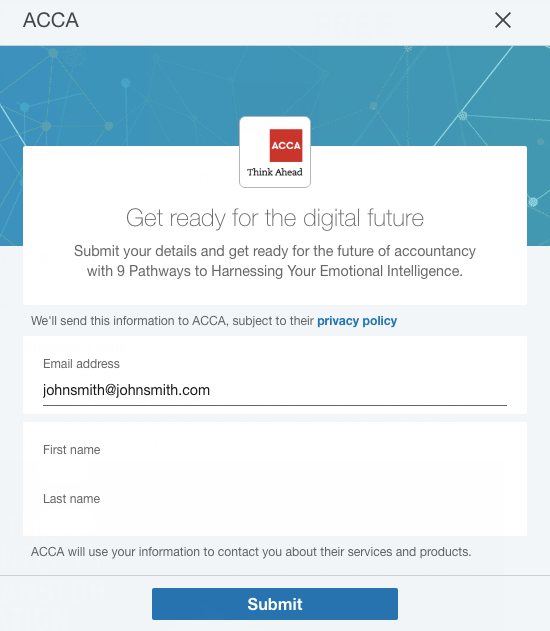
Below: ACCA leverages on LinkedIn’s Lead Gen Forms to, build their leads pipeline for potential ACCA members
Earned Media Stretches Your Marketing Dollar
As content marketing revolves around content that your business creates (ie Owned Media) and seeks to encourage your target audience to share the same content you had churned out to like-minded peers in their social networks (ie Earned Media), it is important to understand the different types of media involved so we understand the cost efficiencies content marketing brings.
Earned media can be tedious to begin with, as a fair bit of time will have to be invested in content production but once quality content are being shared, they then ride on the backs of extremely effective viral marketing and greatly enhances your brand’s credibility through social validation.
Below: Rolex uses a lot of high definition product photos for content marketing (informational)

Content marketing is part of the greater Inbound Marketing strategy. On the other hand, businesses with a huge need for branding goals are more likely to go with large scale advertising (part of Outbound Marketing) through Paid Media. A good example of Paid Media would be Pay-Per-Click display ads.
Below: A hugely successful entertainment fan site attracts a massive fan base – 233K Facebook followers – through creative content marketing ideas (entertainment)

The overarching objective of content marketing would be to influence consumer preferences towards your brand. This is done via demonstrating your brand credibility by providing something of value to help solve their problems (can be informational, technical or even entertaining in nature) to your customer groups. In fact, the sky’s the limit – create whatever catches your audience’s fancy.
Some examples of content:
- product photos
- blog articles
- industry trends/research data
- opinion polls
- interviews
- infographics
- videos
- newsletters
- technical/white papers
- podcasts
- webinars
- ebooks
- games
Depending on the media preference of your target audience, there is a wide content arsenal at your disposal.
Providing relevant content to your target audience proves that you understand their pain points and that actually further incentives them to want to hear from you more. Naturally, the next course of customer action would be for them to sign up for your mailing list or follow you on social media – there, you now have them in your opt-in marketing database!
Producing relevant content and marketing them to the right audience is critical to success. Potential customers opt in to receive content that speaks to them, and that will result in actual revenue for your business. It’s a profitable win-win.
Below: A successful Facebook post from a writing services agency that was shared 23 times with a modest advertising budget of US$7

Content Marketing + Inbound Marketing Framework = Sales
Content marketing is a powerful marketing strategy because of its commercial capability to scale up sales pipeline. For best results, integrate your content marketing strategy with an Inbound Marketing framework to properly manage your lead generation process.
Think of content marketing as the fuel, and the inbound marketing engine, your car. Without the right content (ie fuel), you wouldn’t be able to start your sales engine. The more robust your inbound marketing engine is, the more customers you can pick up in a shorter amount of time.
 5xTwo
5xTwo 